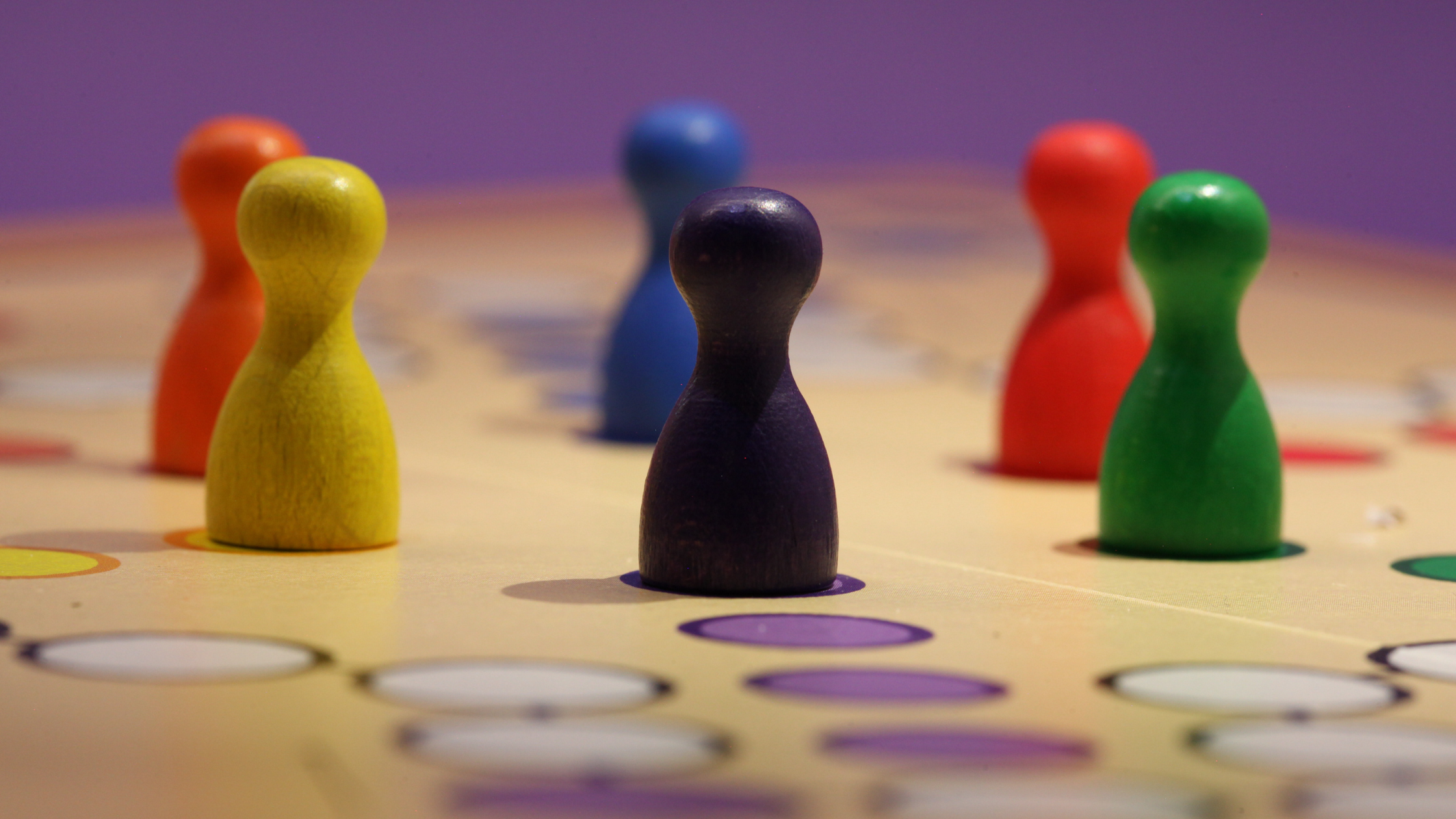
Losing is a part of life. Everyone experiences it at some point, whether in school, work, relationships, or even simple pastimes like games. Some people handle it well, brushing off a loss with a casual shrug and a smile.
I, on the other hand, hate losing. It stirs up something deep inside me, something I can trace back to my childhood. It’s not just about pride or competitiveness—it’s about years of being conditioned to strive for excellence, to measure my worth against success, and to fear the sting of coming in last.
A Childhood Shaped by Expectations
Growing up, my family had high expectations. My parents and grandparents were strict, and excellence wasn’t encouraged—it was expected. Whether it was academics, extracurricular activities, or even something as small as setting the dinner table perfectly, there was always a standard to meet. Mistakes were corrected swiftly, and there was little room for failure. Naturally, I internalized this pressure and pushed myself to be the best I could be.
I still remember one school year when I came home excited to show my grades to my father. I had done really well, and I wanted to gloat a little, to hear words of praise and encouragement from my role model. But instead of celebrating my success, he simply said, “When I was your age, I had all A’s.”
I was nine years old. I had earned mostly A’s, with just one B and the school year wasn’t even over, and yet, it wasn’t enough. His words stung, and even now, I remember them with perfect clarity. In that moment, I realized that no matter how hard I tried, my achievements might never be good enough in his eyes. That lesson—fair or not—stayed with me, shaping my deep aversion to losing.
This mindset followed me into adulthood, shaping how I view competition and success. Even now, as an adult, the echoes of my upbringing whisper in my ear every time I fall short. Losing isn’t just about the momentary disappointment—it’s about that deeply ingrained fear that I didn’t do enough, that I wasn’t enough.
The Struggle with Games and Competition
Fast forward to today. I’m married, and my husband has a deep love for board games. He enjoys strategy games, competitive games, and anything that challenges the mind. I, too, enjoy playing—at least in theory. The problem is, I don’t win often. When we play competitive games, I usually find myself struggling to keep up, making mistakes, or simply being outplayed. And I hate it.
For some, losing a board game is nothing more than a minor setback, a fun challenge for the next round. For me, it’s a deeply frustrating experience. It brings back that childhood fear of being inadequate, of not measuring up. It’s not just a game—it’s another reminder that I’m not the best, that I didn’t win, that I fell short.
This is why my husband and I mostly play cooperative games now. When we work together toward a common goal, the pressure of winning and losing is shared. Instead of feeling like I’ve failed, I can take pride in contributing to a team effort. It’s a compromise that allows me to enjoy playing without the anxiety that comes with losing.
I recognize that my reaction is emotional rather than logical. I know, intellectually, that losing doesn’t define my worth, that games are meant to be fun, and that one loss (or ten) doesn’t mean I’m a failure. But the emotions that come with losing are powerful, and they don’t always listen to logic.
Celebrate Small Victories
Over the years, I’ve worked on handling losses better. I try to remind myself that I don’t have to be the best at everything, that winning isn’t the only goal, and that I am more than my ability to outperform others. I’ve learned to appreciate the experience of playing rather than just the outcome. Some days, I succeed in this mindset shift. Other days, the old frustration creeps back in.
One thing that has helped is focusing on progress rather than perfection. Instead of fixating on winning, I try to celebrate small victories—learning a new strategy, improving my skills, or simply having fun with the people I’m playing with. Sometimes I manage to win and the feeling is truly extraordinary. All in all, it’s a work in progress, but I’m getting better at it.
Despite my hatred of losing, I don’t let it stop me from participating. I still play board games, I still challenge myself, and I still take risks. I may never be the type of person who can lose with a carefree laugh, but I can learn to let go of the pressure to always be the best.
Learning to Cope with Losing
At the end of the day, I remind myself that losing doesn’t define me. It’s just a moment, a part of the journey, and sometimes, it even teaches me something valuable. As much as I despise losing, I’ve learned that it’s not always about winning—it’s about playing, learning, and growing along the way.
Maybe, in a way, my hatred of losing has shaped me into who I am. It has pushed me to work hard, to strive for success, and to never settle for mediocrity. But it has also been a burden, one that I am learning to ease. Life isn’t just about winning—it’s about resilience, about showing up even when you’re afraid to fail, and about finding joy in the process rather than just the result.
If I can learn to see losing not as a defeat but as part of my growth, then maybe—just maybe—I can finally make peace with it.
What about you? Do you see losing as a frustrating setback, or as an opportunity for growth?
Leave a Reply