Some families pass down heirlooms. We, apparently, pass down trauma – specifically appliance-related trauma – with the consistency of a Swiss train schedule.
It all began in 2021, during the era I fondly call The Pregnancy Nesting Olympics, when my husband and I rearranged our tiny apartment in an attempt to create space from molecules that did not exist. We wanted a home that felt ready for a baby. What we got was a bathroom that felt like IKEA threw up in it.
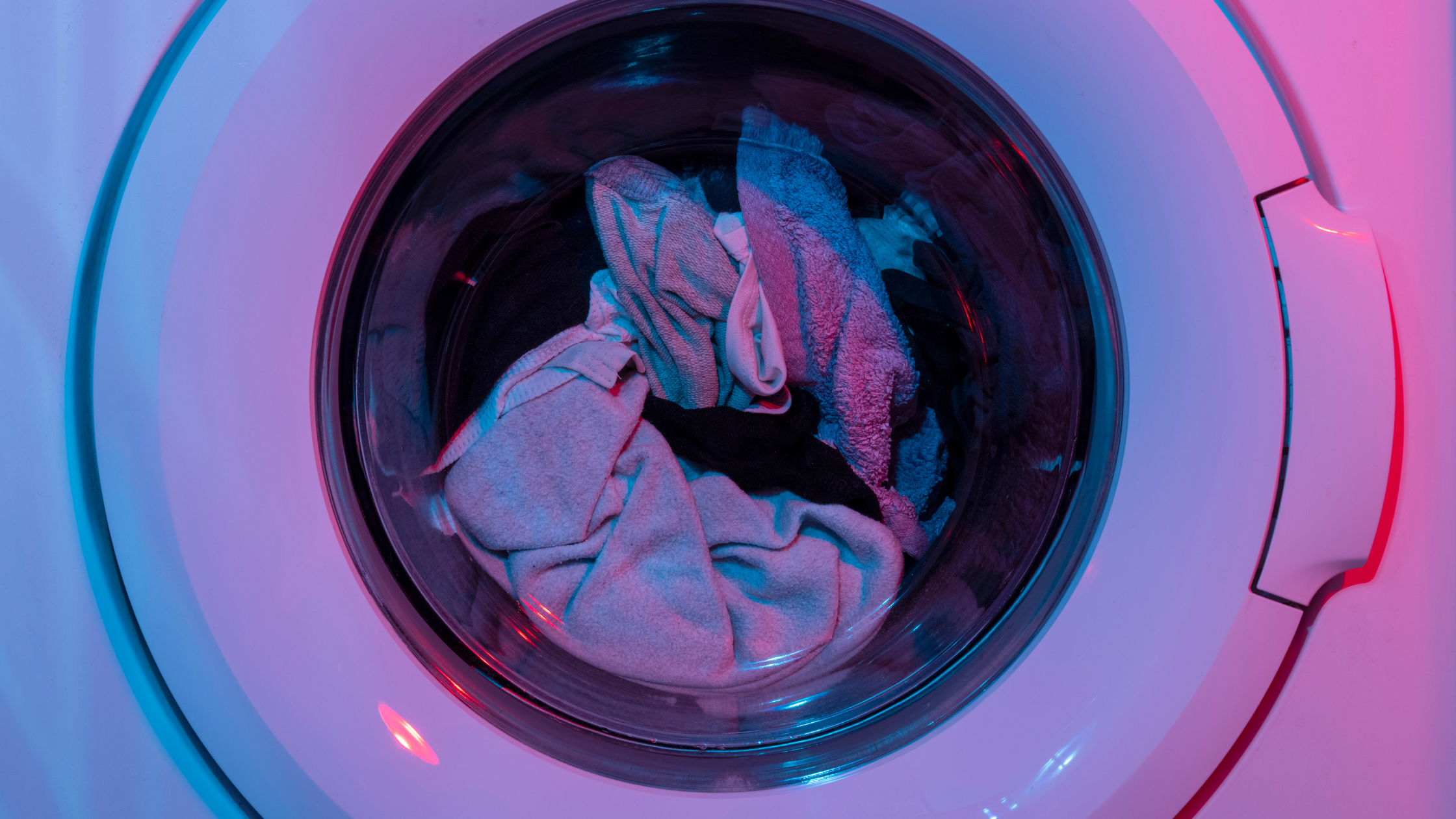
Since we didn’t have room for a separate washer and dryer, we bought a combined Bosch unit. A respectable, well-reviewed, fancy-sounding purchase.
Or so we thought.
Turns out, we actually purchased a small, white rectangle of emotional instability.
It started acting up at six months old – just like a baby, only significantly louder and with worse moods. The service technician came, sighed deeply, and informed us (cheerfully!) that we had won some sort of cosmic lottery:
“One in a million chance to get a faulty one!”
Ah yes. Blessed. Chosen. Anointed by the universe.
He added that it would probably need repairs every six months, and we nodded like this was perfectly normal. Because we had a five-year warranty. Five years felt eternal. Stable. Safe.
Five years is long enough for your child to learn to talk.
Not long enough for Bosch to honour their promises, apparently.
The Warranty
The problems continued – like clockwork, if clocks were powered by spite. Every couple of months: crash, fail, panic, call service, wait, fix, repeat.
We washed clothes like every other family with a toddler and three cats. Which is to say: constantly, chaotically, and accompanied by a faint smell of something unidentified.
But according to Bosch, this was a “misuse of the product.”
Misuse.
As if we were asking it to wash bricks. Or emotional baggage. Or the sins of humanity.
The House Move of Delusion
We moved into our new house in 2023, full of optimism and the false belief that our washer/dryer would behave better with more space.
It did not.
It continued breaking at the regular pace. Only now, instead of every few months, it was every month – as if trying to maintain dramatic tension.
By the time it broke down this last time, we asked, very politely, if perhaps, maybe – possibly – we could get a replacement.
Bosch said no. After a month without our device working properly.
No explanation that made sense. Just a cheerful corporate version of:
“You use it too much.”
I didn’t know whether to laugh, cry, or ask if they expected us to do laundry by interpretive dance.
“Too Much” Laundry
Apparently, having a toddler and three cats is “excessive usage.”
Apparently, washing shirts that toddlers wipe yogurt on and cats occasionally sleep in is unreasonable.
Apparently, washing bedsheets more than once a season is borderline decadent.
What is the correct amount of laundry, I wonder? Three socks a week? A towel biannually? Jeans once per presidential term?
Bosch, if you’re listening: people need clean underwear.
The Great Warranty Betrayal
What truly sent me into a spiral of existential confusion was when they insinuated they might stop covering repairs entirely.
Under an active warranty.
A warranty our Bosch representative later implied was more of a… suggestion. A decorative sticker. A spiritual promise, not a legal one.
And this – this is the moment my husband and I looked at each other, exhausted, surrounded by laundry piles tall enough to qualify as minor geological formations, and whispered:
“It’s not worth our mental health.”
Appliance-Induced Enlightenment
We reached a level of acceptance normally reserved for monks and parents during toddler tantrums.
We stopped fighting. We’ll stop calling. Stop negotiating with a machine that doesn’t want to live.
We decided:
We will buy a new one.
A peaceful one.
A machine that spins, rinses, and dries without making threats.
Not Bosch.
Never again.
(Except for all the other Bosch appliances in our house, which, annoyingly, work perfectly and which we apparently cannot live without. But that’s beside the point. This is a moral stand, not a logical one.)
When the Spin Cycle Stops Ruling Your Life
Here’s what surprised me most: the moment we decided to let go, I felt lighter – freer, even.
Because sometimes the tiniest, dumbest things begin ruling your life without your permission.
A washing machine.
A warranty.
A customer service hotline that transfers you seven times only to ask you if you’ve tried cleaning it.
Life hands you enough emotional turbulence without letting a malfunctioning appliance become your personal Greek tragedy.
There’s a strange kind of power in saying, “I’m done.”
Not in a dramatic, storm-out-of-the-room way. But in the quiet, grown-up way that means:
I refuse to let this steal any more time, energy, or sanity from me.
I choose peace.
I choose ease.
I choose a washer/dryer that doesn’t behave like a 3.5 year old toddler begging for attention.
Letting go of the fight didn’t feel like defeat.
It felt like reclaiming a tiny piece of adulthood I hadn’t realized I’d lost.
We get so used to enduring the things that drain us.
We forget we’re allowed to simply opt out.
The Conclusion
So yes, we’ll soon buy a new washer/dryer. One with fewer personality disorders. One that won’t send us into monthly cycles of despair and forced patience.
Domestic life is already chaotic. Parenthood is already overwhelming. Cats are already shedding.
We don’t need our appliances to join in the rebellion.
Sometimes peace isn’t a grand decision.
Sometimes it’s as small as choosing a machine that doesn’t trauma-bond with you.
And honestly? That feels like growth.
Erika Matic writes about motherhood, boundaries, and the unexpected emotional landscapes of ordinary life. She believes peace is a practice, humour is survival, and no appliance – no matter how expensive – should be allowed to dictate your mental health.
Leave a Reply