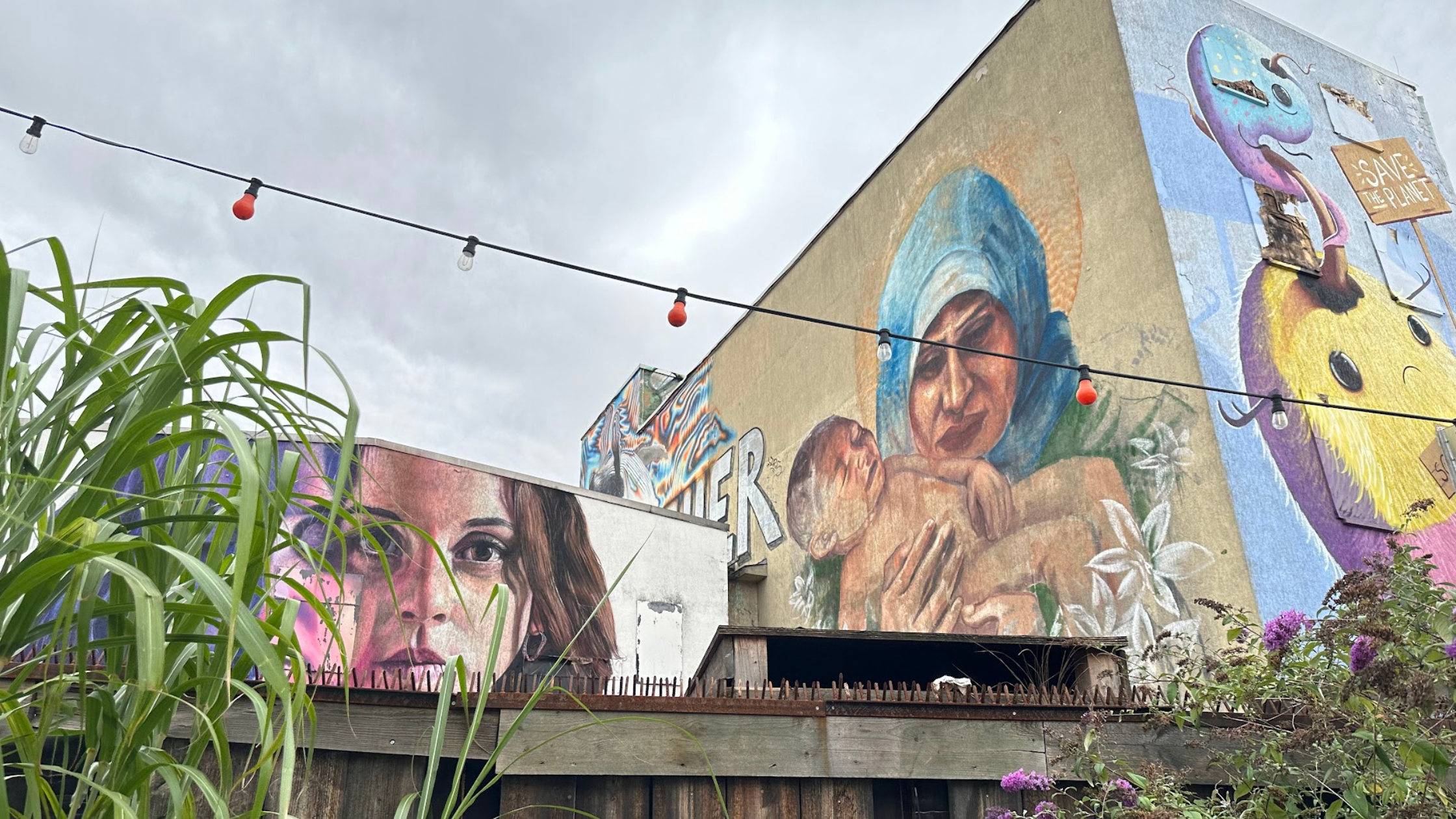
Art is one of the most profound expressions of human creativity, shaping cultures and societies throughout history. It transcends time, appearing in every civilisation and era. Yet, despite its ubiquity, defining art remains a challenge. Is it a painting on a canvas? A melody played on a violin? A banana duct-taped to a wall? Or is it something more profound — an experience, an idea, a reflection of the world? Art takes countless forms and holds immense significance in human civilisation.
Traditionally, art is associated with creative skill and imagination, often expressed through painting, sculpture, or photography. However, this barely scratches the surface. The scope of art extends far beyond the visual arts, encompassing music, literature, theatre, and, in today’s digital age, even virtual and interactive media. Each form provides a unique perception of and interaction with the world.
Art Through the Ages
Throughout history, philosophers, critics, and artists have debated the nature of art. The ancient Greeks viewed it as an imitation of nature. During the Renaissance, art became a means of exploring beauty and human potential. In the modern and contemporary eras, it has evolved into a medium of self-expression, rebellion, and social commentary. This constant transformation makes it difficult to confine art to a single definition.
So, what is art? Does it serve a purpose? Art has multiple functions, depending on its context and intention. It can evoke deep emotional responses, inspire, provoke thought, or even heal. For example, art therapy helps individuals express emotions that words cannot capture. It is also a universal language — whether viewing the Mona Lisa at the Louvre or listening to a powerful symphony, art transcends linguistic barriers. Additionally, art documents history, capturing moments in time and reflecting social change, from ancient cave paintings to contemporary digital art. Many artists use their work to critique societal norms, challenge injustice, and advocate for progress.
Art manifests in countless forms, each with distinct techniques, traditions, and significance. But is everything an art piece? Can a piece of fruit convey emotions and abstract ideas? Poetry, theatre, and opera engage audiences and communicate complex themes. As artistic expression continues to expand, new forms emerge.
How Do We Define Art?
This brings us to the digital age — can an NFT (Non-Fungible Token) be considered art? Can it be compared to modern paintings or Renaissance masterpieces? As technology advances, the question of “What is art?” evolves. To some, a banana duct-taped to a wall and sold for over a hundred thousand dollars holds deep meaning and provokes thought. Perhaps beauty and artistic value can be found in the most unexpected places. While personal preferences vary, respecting an artist’s chosen medium is crucial.
Ultimately, art is an ever-changing, boundless realm of human expression. It serves as a bridge between the past, present, and future, offering a window into the human soul. Whether it is a centuries-old painting, a contemporary performance, or a digital creation, art remains a testament to humanity’s creativity and depth. Perhaps the true definition of art lies not in words but in the experience it evokes within each of us.
What do you think? How do you define art? Is there a particular piece of art — classical or modern — that has deeply moved you? Share your thoughts and let’s continue this conversation.
Leave a Reply