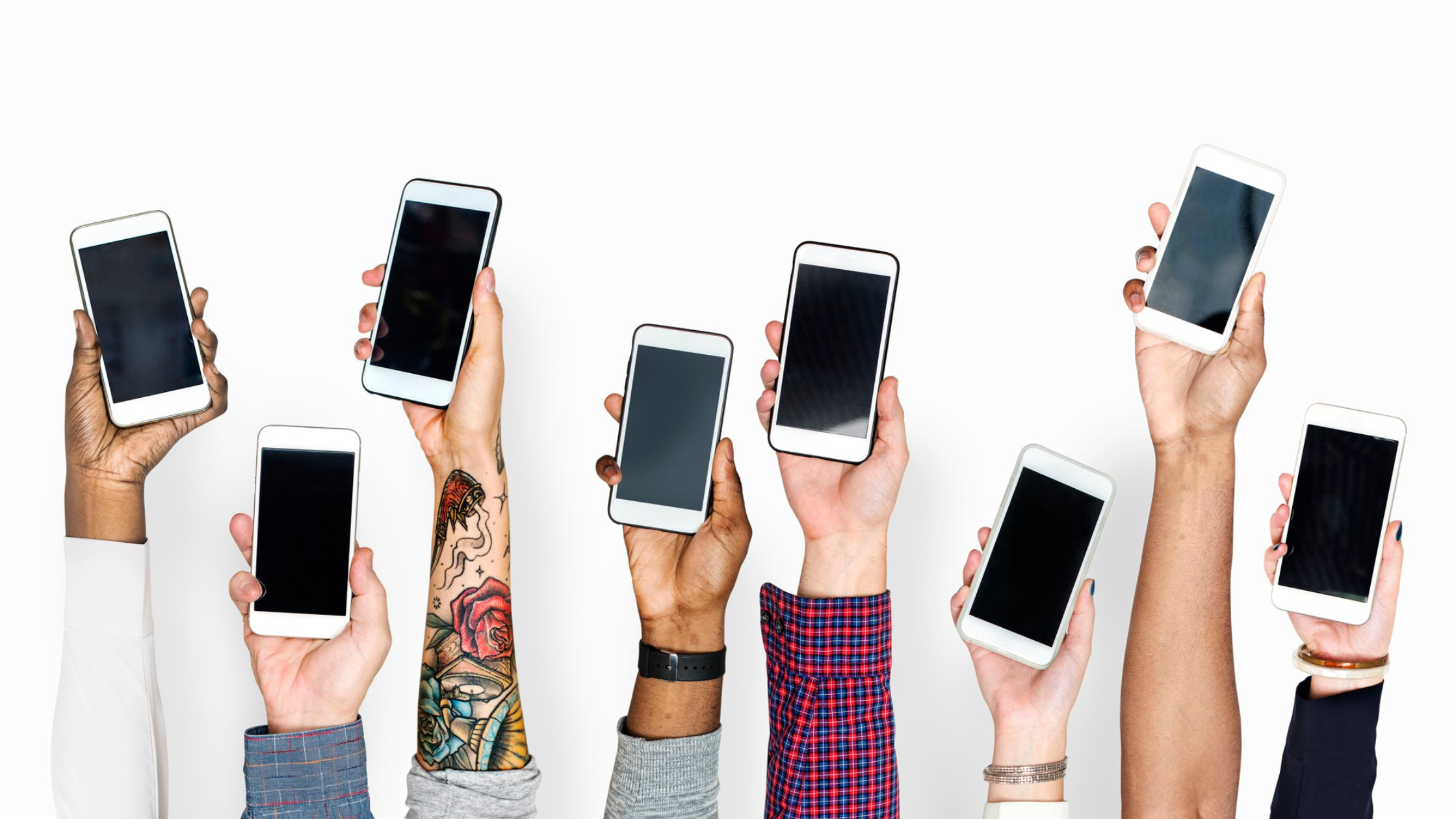
Imagine waking up one day and realizing that cell phones no longer exist. No buzzing alarms, no notifications, no text messages waiting for you the moment you open your eyes. The world as we know it would change drastically, and our daily lives would take an unexpected turn. Would we be able to function as efficiently? Would society collapse, or would we adapt and thrive in a world without mobile technology?
The Initial Chaos
The first few days without cell phones would likely be chaotic. People depend on their devices for almost everything: communication, navigation, entertainment, work, and even personal security. Imagine walking down the street, needing directions, but there’s no GPS. You’d have to stop and ask someone or consult an actual map. For those who have never used a physical map before, this could be overwhelming.
Businesses would struggle, as many transactions, meetings, and schedules rely on mobile technology. Parents would panic about how to reach their children. Without instant communication, people would need to establish alternative plans for staying in touch, much like they did decades ago. Social media like Facebook, Instagram, or TikTok would vanish overnight. Some might experience withdrawal symptoms, as social media addiction is real. The absence of quick dopamine hits from likes, comments, and messages would leave people feeling disconnected and, for a while, even lost.
A Return to Genuine Social Interaction
However, after the initial shock wears off, something interesting would happen—we would begin to reconnect in more meaningful ways. Without the distraction of a cell phone screen, people would have no choice but to engage in real conversations. Families at dinner tables would actually talk to each other. Friends would meet in person instead of chatting over texts. Strangers might strike up conversations while waiting in line, something that rarely happens today because everyone is buried in their screens. Also, your friends might unexpectedly show up at your door! I know! Imagine that–unexpected visitations. Enough to spike my anxiety.
Social gatherings would become more immersive. Instead of scrolling through social media while attending an event, people would be fully present. Concerts and festivals would be experienced through the eyes rather than a phone lens. Without the ability to immediately post everything online, people might focus on making memories rather than capturing content for others.
Productivity and Work Life
The workplace would also undergo a significant transformation. While many jobs today rely on cell phones for communication and task management, people would need to adapt to more traditional methods. Office workers would use landlines, emails, and in-person meetings more frequently. While this might slow down instant communication, it could also lead to more thoughtful and efficient work.
Without cell phones, people might experience fewer distractions throughout the workday. Employees wouldn’t be tempted to check their phones every few minutes, which could lead to increased focus and productivity. Meetings would be more engaging without the constant urge to glance at a screen. Instead of answering work emails at all hours, people might finally be able to separate their work and personal lives, leading to a healthier work-life balance.
Travel and Navigation
Traveling without a cell phone would be an entirely new challenge for many. No Google Maps means relying on physical maps or asking for directions. While this may seem inconvenient, it could also make travel more adventurous. Getting lost and finding your way back would become part of the experience.
People would need to plan their trips more carefully, writing down important details like hotel addresses, emergency contacts, and transportation schedules in advance. Public transportation might become more organized, with people relying on printed schedules rather than tracking bus or train arrivals on an app. Although it might take some getting used to, people would soon develop better memory and navigation skills.
Mental Health Benefits
One of the most profound effects of a world without cell phones would be on mental health. Studies have shown that excessive phone use contributes to anxiety, stress, and sleep disorders. The constant bombardment of notifications, emails, and messages keeps our minds in a perpetual state of alertness.
Without cell phones, people might feel less pressure to constantly stay connected and updated. Social comparison, which is rampant on platforms like Instagram and Facebook, would diminish, allowing individuals to feel more content with their own lives. The fear of missing out would no longer be fueled by endless streams of curated posts.
Additionally, people might sleep better. Without the blue light from screens disrupting our circadian rhythms, our natural sleep cycles could improve. Instead of scrolling through social media before bed, people might read books, reflect on their day, or engage in meaningful conversations with loved ones.
The Role of Public Phones and Letters
Before cell phones, public payphones were a common sight, and handwritten letters were a primary form of communication. If cell phones disappeared, we might see a resurgence of these older communication methods. People would once again rely on landlines and written correspondence.
Writing letters could bring back the joy of anticipation—waiting for a response rather than expecting an immediate reply. This could make communication more thoughtful and personal, as people would take time to express their thoughts more carefully.
Shopping and Banking
Shopping and banking would also undergo drastic changes. Without mobile banking apps, people would need to visit banks in person or rely more on cash transactions. Online shopping would be limited to desktop computers, making impulse buying less common. This might help people save money and be more mindful of their purchases.
Businesses that rely heavily on mobile transactions, like food delivery services and ride-sharing apps, would need to adapt by setting up call-in or in-person order systems. While this might initially slow things down, it could lead to more direct human interaction and even better customer service.
Entertainment and Leisure
Entertainment would shift away from screen-based content. Instead of spending hours on TikTok or YouTube, people might rediscover hobbies like reading, painting, or playing musical instruments. Outdoor activities would likely increase as people seek alternative ways to spend their free time.
Board games, sports, and group activities would become more popular as people look for ways to connect and have fun without digital distractions. Live performances, theater, and community events could see a resurgence as people crave real-world experiences over virtual ones.
A World Reimagined
A world without cell phones might seem like a step backward, but what if it’s actually a leap forward? Imagine a life where our minds are no longer hijacked by endless notifications, where conversations are deep instead of distracted, and where human connection isn’t filtered through a screen. Yes, there would be challenges, and some aspects of modern life would become less convenient, but the benefits could outweigh the drawbacks.
Without cell phones, we might rediscover what it truly means to live—to be present in every moment, to feel the thrill of spontaneity, and to experience life without the constant pressure to document it. We might trade convenience for something far more valuable: clarity, peace, and real connection.
Perhaps, in losing our phones, we would finally find ourselves.
Leave a Reply